
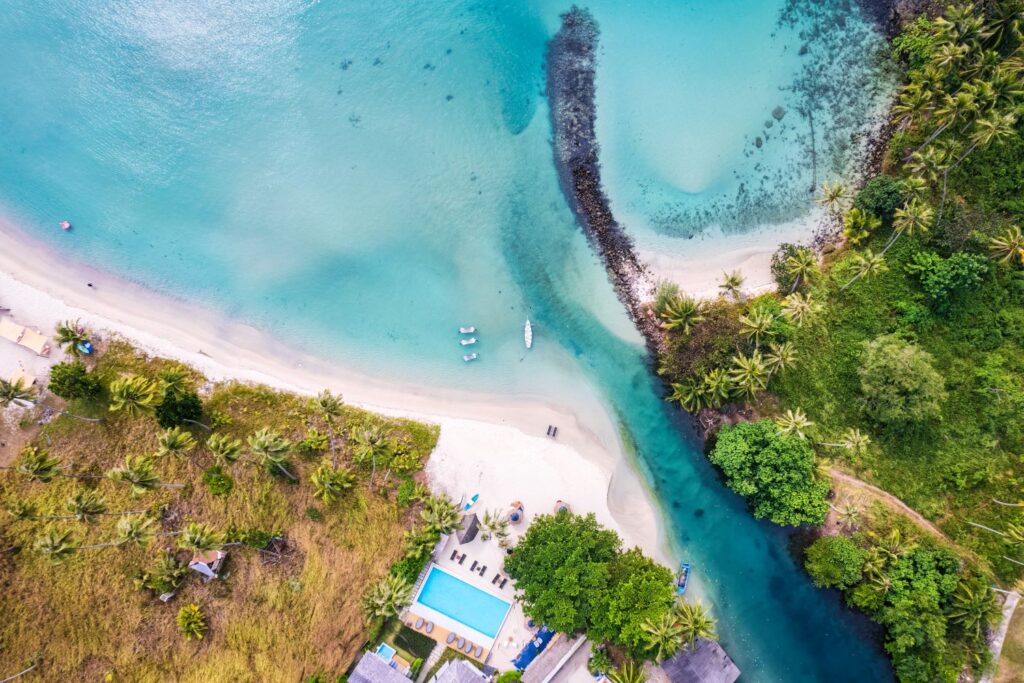
Koh Samui has become one of Southeast Asia’s most desirable island real estate markets. If you’re thinking to buy property Samui offers, whether as a holiday home, rental investment, or a place to relocate, you’ll find sun, sand, and a surprisingly diverse market. We’ve walked the island’s roads, met agents, lawyers, and expat owners, and distilled what matters most. This guide walks us through why Samui is attractive, the legal realities for foreigners, practical buying steps, finances, location choices, and how to work with trusted local professionals so you can make decisions with confidence.
Why Buy Property In Samui?
Koh Samui blends tropical lifestyle with decent infrastructure, making it appealing for buyers seeking lifestyle changes and investments. We see three main drivers behind interest in Samui real estate:
- Lifestyle and lifestyle demand: Samui offers reliable international flights, medical facilities, restaurants, and leisure options, enough to support long-term living without constant trips to the mainland.
- Tourism and rental income: The island attracts steady tourism year-round. Short-term rentals and serviced villas can deliver attractive yields in the right locations and seasons.
- Capital appreciation potential: While Samui won’t match Bangkok’s liquidity, limited beachfront stock and ongoing development in particular pockets support appreciation over time.
That said, market conditions shift. We always recommend balancing emotion with analysis, don’t buy just for the view. Consider cash flow, resale potential, and the practicalities of owning property overseas.
Legal Considerations For Foreign Buyers
Buying real estate in Thailand requires understanding clear legal limits and practical workarounds. We’ll outline the essentials so we can plan purchases that are safe and compliant.
Leasehold Vs Freehold: What Each Means
Foreigners cannot directly own land freehold in Thailand, with a few narrow exceptions. The common structures are:
- Leasehold: Typically 30-year leases, often renewable. This gives foreigners long-term use of land or houses without land ownership. Lease agreements should be registered and clear on renewal terms, rights to build, transfer rules, and compensation.
- Condominium Freehold: Foreign buyers can own condo units freehold, provided that foreign ownership in the building doesn’t exceed 49% of the total floor area. This is the cleanest route for many buyers.
We recommend treating leasehold as a long-term rental with additional rights, not the same as fee simple ownership. Good documentation and professional drafting matter.
Using Thai Companies And Other Ownership Structures
Some buyers consider setting up a Thai company to hold land. While legal in some cases, this approach is strictly regulated and increasingly scrutinized. Important points:
- The company must be genuinely Thai-controlled: nominal Thai shareholders with foreign control can be invalidated.
- Corporate structures carry tax, reporting, and governance obligations, plus political and regulatory risk.
- Alternatives include long leases, inheritance planning, or buying condominium units.
We always advise consulting a qualified Thai lawyer before attempting company ownership. Avoid informal “workarounds” that sound cheap, they often create expensive problems later.
Practical Steps To Buying Property In Samui
A systematic approach reduces risk and speeds the process. Below are the practical steps we follow when buying property Samui.
How To Find And Shortlist Properties
Start broad, then narrow fast. Our steps:
- Define priorities: rental income vs lifestyle, proximity to beach vs privacy, budget bands.
- Use multiple channels: reputable local agencies, developer showrooms, online portals, and word-of-mouth through expat communities.
- Shortlist by on-site visits: photos rarely tell the whole story, visit at different times of day to assess noise, access, and neighbors.
- Ask for financials: for rentals, request occupancy rates and historical income: for resale, get maintenance and utility costs.
We recommend shortlisting 3–6 properties for serious due diligence rather than chasing a single listing.
Due Diligence: Title Checks, Surveys, And Zoning
Due diligence is the point where many buyers save or lose money. Key checks include:
- Title deeds (Chanote) and land surveys: Confirm the exact legal boundaries and whether the title is clean. Chanote is the strongest title: other titles carry more uncertainty.
- Encumbrances: Check for mortgages, liens, or unresolved inheritance claims.
- Zoning and land use: Verify permitted uses, some plots have agricultural or conservation restrictions that limit building.
- Building permits and as-built drawings: Ensure structures were built with permission.
- Physical survey: Engage a surveyor to confirm boundaries and check for flooding, erosion, or soil instability.
We always work through these checks with local experts before committing deposit funds.
Financing, Taxes, And Ongoing Costs
Understanding the money matters helps avoid unpleasant surprises. Here’s what we factor into the cost model when we buy property Samui.
Mortgage And Financing Options For Nonresidents
Thai banks offer limited mortgage options to nonresidents: terms are typically shorter and interest rates higher than domestic mortgages. Alternatives include:
- Overseas financing: We sometimes use mortgages from our home country, then repatriate rental income.
- Developer financing: Some Thai developers provide structured financing for foreign buyers on new projects.
- Cash purchase: Many buyers choose cash to avoid financing complexity, this often gives negotiating leverage.
Before signing, we model scenarios with different financing to see impact on cash flow and returns.
Purchase Taxes, Transfer Fees, And Stamp Duty
Budget for one-time and recurring costs:
- Transfer fee: Usually 2% of the registered sale price, paid at the Land Office (split negotiable).
- Specific business tax (SBT): Applies if the seller has owned property under five years and operates as a business, about 3.3%.
- Stamp duty: Around 0.5% if SBT does not apply.
- Withholding tax: Based on assessed value and seller’s tax status, sellers often factor this into price negotiations.
- Annual property taxes/house and land taxes: Recent reforms have introduced municipal property taxes: check local rates.
We recommend including a 4–6% buffer for fees and taxes in any budget.
Choosing The Right Location On Samui
Location drives enjoyment and resale. We weigh lifestyle, rental demand, and future infrastructure when choosing where to buy.
Beachfront vs Inland: Lifestyle And Resale Considerations
Beachfront
- Pros: Strong rental appeal, high resale demand, instant lifestyle value.
- Cons: Higher price, exposure to erosion and storms, tourist noise and seasonal peaks.
Inland
- Pros: Lower prices, quieter, potentially larger land plots, better long-term privacy.
- Cons: Lower short-term rental rates, extra distance to beaches and amenities.
We usually choose beachfront for rental-focused buys and inland for private retreats or acreage-focused projects.
Overview Of Key Areas: Chaweng, Bophut, Lamai, Maenam, And South Coast
- Chaweng: The island’s busiest hub, best for nightlife, high rental demand, but traffic and higher prices.
- Bophut (Fisherman’s Village): Upscale, family-friendly, good mix of long-stay visitors and boutique dining, strong resale potential.
- Lamai: A balance of affordability and amenities, growing but less hectic than Chaweng.
- Maenam: Quieter, favored by families and retirees: steady long-term rental market.
- South Coast: Offers secluded luxury properties and dramatic coastlines, appeals to high-end buyers seeking privacy.
We visit each area and think about target renters or buyers when selecting a neighborhood.
Access, Infrastructure, And Future Development Factors
Consider ferry and airport access, road quality, waste management, and planned projects. New roads or utilities can raise values quickly, but unplanned large developments can change a neighborhood’s character. We check municipal plans and developer permits to anticipate the near-term future.
Working With Local Professionals
Local experts turn complexity into manageable steps. We rely on a small trusted team when we buy property Samui.
How To Select A Reliable Real Estate Agent
Choose agents with track records, transparent fees, and local references. Good signs:
- Consistent listings across platforms and physical offices.
- Clear client references and recent transaction records.
- Willingness to accompany multiple site visits and to explain legal limits.
Avoid agents who pressure quick deposits or discourage legal checks.
The Role Of A Lawyer And What To Ask For
A Thai lawyer is essential. We ask for:
- Verification of title and encumbrances.
- Drafting and review of contracts in Thai and English.
- Guidance on ownership structures, taxes, and transfer processes.
- Escrow recommendations and representation at the Land Office.
Pick a lawyer experienced in property law on Samui specifically: island contexts have nuances.
Using Surveyors, Accountants, And Property Managers
- Surveyors confirm boundaries, topography, and buildability.
- Accountants advise on tax structuring, VAT issues for developers, and yearly filings.
- Property managers handle rentals, maintenance, and guest services, critical if we’re remote owners.
We build a local team before closing so operational systems (bookings, repairs, bill payments) are in place from day one.
Conclusion
To buy property Samui successfully, we combine local insight with disciplined checks. Samui offers attractive lifestyle rewards and solid investment cases in right locations, but legal limits, taxes, and practical upkeep matter. By choosing the right ownership route, doing rigorous due diligence, planning financing realistically, and partnering with vetted professionals, we turn island dreams into sound, manageable ownership.
If we’re serious, our next steps are straightforward: shortlist properties that match our goals, instruct a local lawyer for title checks, and build a small team, agent, lawyer, and property manager, to guide the negotiations and post-purchase operations. With those pieces in place, buying on Samui becomes less gamble and more a carefully built chapter of our portfolio or life plan.
Related Posts
Montigo Resorts Seminyak: A Practical Guide to Staying, Dining, and Celebrating
Montigo Resorts Seminyak has become a go-to address for travelers…

3 Benefits of Using a Grinder: What Can It Do?
A grinder is an electric tool commonly used in various…